|
Sesso: M
Età: 46 Città: Collepasso Provincia: Lecce Regione: Puglia Nazione: Italia Come potete vedere e leggere in questo blog, ci sono ricerche storiche e personali sulla mia Casata. inoltre Il materiale pubblicato su queste pagine è stato creato attraverso immagini e documenti reperite dalla rete considerate di pubblico dominio. Ove involontariamente sia stato violato qualche diritto di copyright, i detentori possono contattarmi ed io provvederò alla rimozione. Inoltre il contenuto i racconti sono ricerche personali che vengono pubblicate solo per motivi culturali e informativi, non ha scopo di lucro. Questo blog non rappresenta una testata giornalistica in quanto viene aggiornato senza alcuna periodicità. Non può, pertanto, considerarsi un prodotto editoriale ai sensi della legge n. 62 del 7.3.2001. Tuttavia.... As you can see and read in this blog are personal and historical research on my House. Furthermore, the published material on these pages was created through images and documents retrieved from the network considered in the public domain. Where was unintentionally violated any copyright, holders may contact me and I will remove it. Also, the content of the stories are personal research that is published only for cultural and informational, non-profit organization. This blog is not a journal as it is updated without any periodicity. It can not therefore be regarded as an editorial product under Law No 62, 7.3.2001. However .... Per l'art. 3 del R.D. 7 giugno 1943, n. 651 (l'ultimo Ordinamento dello Stato Nobiliare Italiano), i titoli nobiliari sono in ordine decrescente: Principe, Duca, Marchese, Conte, Visconte, Barone, Nobile, nonché Signore, Cavaliere Ereditario, Patrizio e Nobile di determinate città. Per il secondo comma del medesimo articolo 3, a partire dal 1943, tali ultimi titoli non potevano essere più concessi ma soltanto riconosciuti agli aventi diritto se derivanti da antiche concessioni governative emanati nel periodo monarchico e nel periodo repubblicano contengono dei riferimenti ad esso che è indicato come “il nome di antico feudo o possesso territoriale che si unisce al titolo”. Più precisamente, il predicato nobiliare può essere definito come un particolare attributo che può essere aggiunto ad un titolo nobiliare o ad un cognome al fine di meglio specificarlo; esso consiste nella preposizione segnacaso “di”, seguita dall’appellativo di una località geografica. Tuttavia chi risiede in italia e ha origini antiche con un casato nobile deve fare riferimento alla Costituzione della Repubblica Italiana che non ha abolito o soppresso i titoli nobiliari ma li ha semplicemente disconosciuti. Come ha ritenuto la Corte di Cassazione con sentenza del 16 luglio 1951, ciò significa che la Costituzione non pone alcun divieto all'uso pubblico o privato dei titoli nobiliari da parte di chi ne sia investito, ma il non riconoscimento vale come divieto solo nei confronti dei pubblici ufficiali, i quali hanno il dovere di omettere ogni indicazione del titolo nobiliare negli atti da essi formati http://www.dirittonobiliare.com/titoli.html the last of state Noble Italian
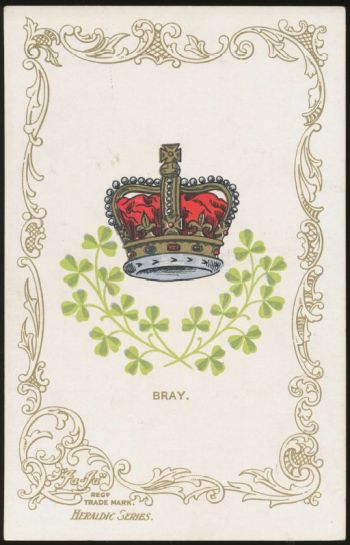
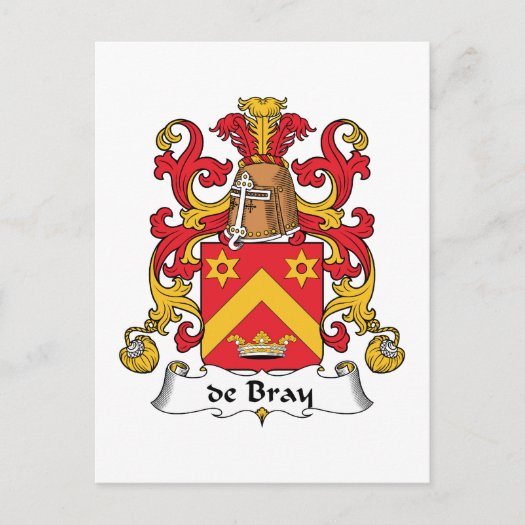
FAMIGLIA - Bray in Puglia originiRICERCHE STORICO-DOCUMENTATE http://www.cognomiitaliani.org/cognomi/cognomi0002ra.htm
HISTORICAL RESEARCH IN 1130 THE NORMANShttp://www.cognomiitaliani.org/cognomi/cognomi0002ra.htm DOCUMENTED IN SOUTHERN ITALY Very rare are typical of the Salento, Lecce Martignano in particular, seems Braj due to errors of transcription of the surname Bray could arise from the Gallic region Bray: "... Nominis reliquiae supersunt planissime, etiam nunc in Bibracte Galliae Braycontrahitur, et non procul hinc cum suis transmisit Tamisim Caesar ...", but more likely derives from the Norman name derived precisely from Bray in Bray Normandy as indicated on this map of the Middle Ages at Gournay Bray near Rouen. Bray in FranciaBray In Francia http://pagesperso-orange.fr/vieux-marcoussis/Chroniques/troussel.htm http://pagesperso-orange.fr/vieux-marcoussis/Chroniques/temple.htm Milo de Brai, nel 1064 era signore di Montlhéry a partire dal 1095 sua moglie era BRAY FRANCE In Bray Milo de Brai http://pagesperso-orange.fr/vieux-marcoussis/Chroniques/troussel.htm http://pagesperso-orange.fr/vieux-marcoussis/Chroniques/temple.htm France, in 1064 he was lord of Montlhéry since 1095 his wife was the daughter of Lithuise Stephes Count of Blois and Adela of Normandy, daughter of William the Conqueror and his son the same name Milo II de Brai 1118 lord of Montlhéry and Braye, Viscount of Troyes, 1096, Trousseau de Brai the eldest son, Lord of Monthléry his daughter Elizabeth married in 1103 Montlhéry Philip, Count of Mantes, son of Philip I of France and Bertrada de Momtfort, participated in the 1 st Crusade in 1096. Bray in Inghilterra
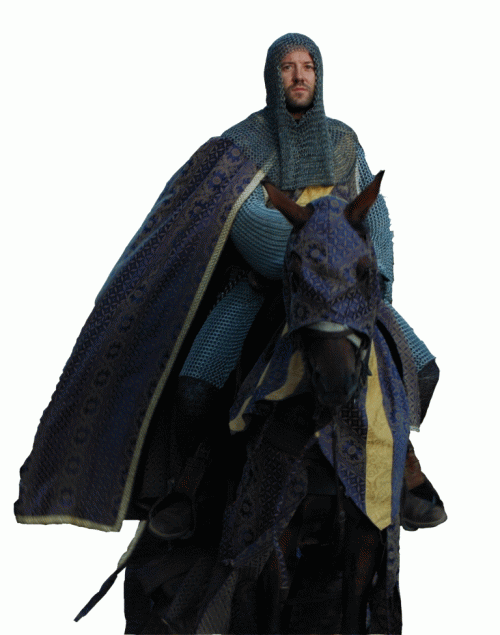
BRAY ENGLAND In 1066, Sir Guillaume de Brai, took part in the conquest of England next to the Duke William of Normandy. Abbey on the roll the names of those who participated in the Battle of Hastings. At the Service of the King of Inghlilterra (1066 - 1485): In a village near Bray Berkshire there is a church built in the twelfth century by Bray, Cornwall. Sir Richard Bray Councillor Knight of the Garter and the servant of Henry VI and his wife Joan Troughton. In 1236 we find the following statements of the Knights Templar in Scotland, is of the Preceptory of Balantrodach, now Temple in Mildlothian, brother Thomas de Bray and his brother William de Mere, chaplains, his brother Thomas de la Ferme, Brother Thomas of Tulus, the brother of Henry Emory, his brother Robert squo, his brother Robert of Bonington, brother Roger de Akiny, then Preceptor of Scotland.Bray in Irlanda
Bray e templari in Irlanda
BRAY IRELANDThese lands were taken into custody by the Knights Templar, the lands assigned to them by John de Lisbon and J. of Howth; the Deveneis William, who was mentioned as a successful de Ridelefords Merrion, John Clements. In 1169, King Henry II of England granted lands to the Knights Templar. The nobles and feudal lords soon followed suit and succeeded in organizing 15 real teacher in Ireland. The Knights Templar in Ireland were mainly Anglo-Normans and noble soul, and many of them were veterans of the Holy Land. After its conquest by the Norman family of De Burgo power in 1232, the fortification of Galway has been replaced by a stone castle. The Normans built churches and chapels to cater to their religious needs and joined the Order of the Knights Templar. The De Burgo were members of the military religious order. Is that the De Burgo family crest is a red cross similar to that worn by the Templars, according to legend, the crest was product during the Crusades when he was with King Richard Mi descrivo
libero ricercatore e scrittore, appassionato di storia medioevale, religione e cultura cavalleresca...Cavaliere e colui che serve Dio con i valori della fede, amore e fratellanza.
Spazio amiciAmo & odio
DettagliI miei pregilascio giudicare a coloro che sono perfetti, se esistono. I miei difettilascio giudicare a coloro che sono perfetti, se esistono. |
Ultime visite |
||||
|
|